
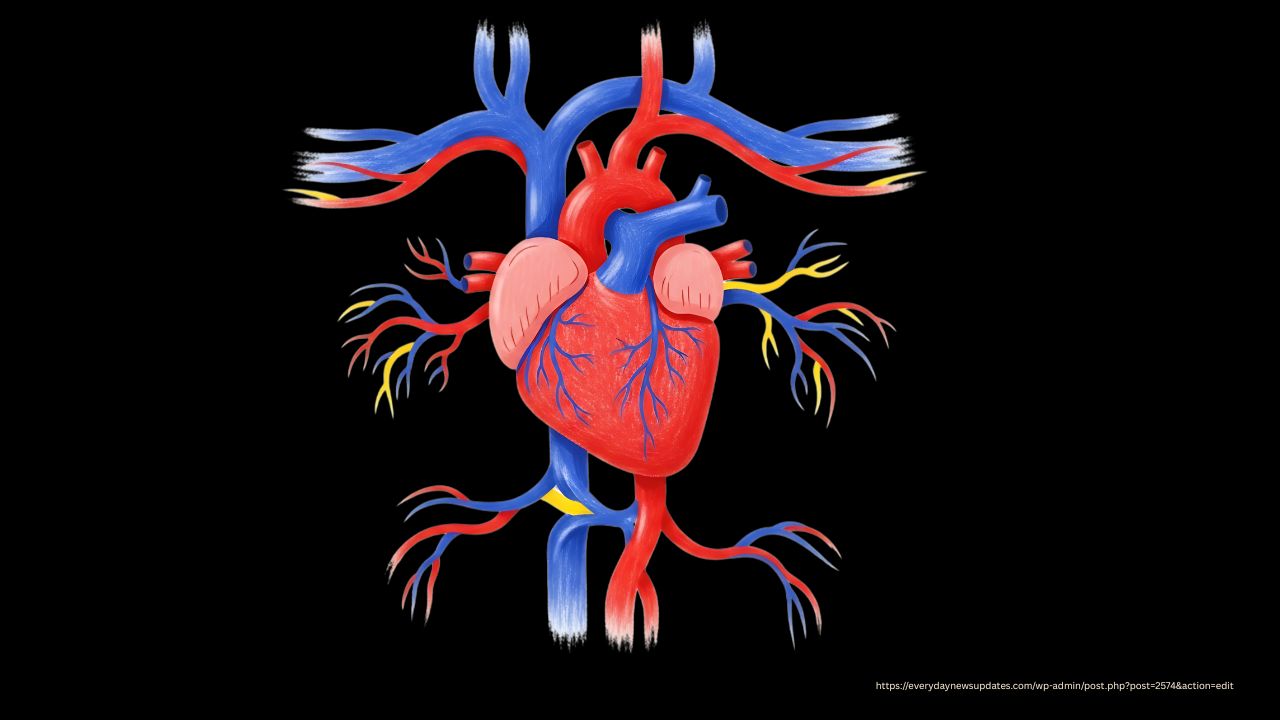
A landmark report published on World Heart Day 2025 has shown that heart disease risk factors have increased by a whopping 70 percent among workers in the 35 to 45 age group, what was once the older person’s disease is now emerging as an increasing threat for the country’s most productive workforce.

The India Inc Heart Index, released by health firm ekincare, presents a grim picture of cardiovascular health among corporate professionals. The report indicates that the combination of desk work, excessive work pressure, unhealthy food options, and screen overload is leading to a perfect storm that’s breaking hearts at an unprecedented pack
The shocking statistics
The statistics paint a picture that cannot be denied. Almost one in four heart attacks in India is now taking place in individuals younger than the age of 40. That means young adults who should be at the height of their physical well-being are instead ending up in hospital emergency departments, struggling to survive following cardiac episodes.
What is more troubling about this trend is that Indians are developing heart ailments around 10 years before their counterparts in the West.
Medics have reported that heart attacks now account for as much as 45 percent of mortality in the 40 to 69 age bracket. Certain big city hospitals have witnessed an increase of 15 to 20 percent in cases of heart attack in just two months, with a large number of patients as young as 25 years
Why are young professionals are at risk?
The contemporary workplace has emerged as a hub for cardiovascular issues. It is now the norm to work long hours, and professionals work on a regular basis 10 to 12 hour days, sometimes even longer. Such long hours leave hardly any time for exercise, healthy meals, or enough rest.
Chronic stress is another big culprit. Stress releases the hormones cortisol and adrenaline which will eventually weaken blood vessels and boost blood pressure.
The sedentary conditions of most careers exacerbate the issue. Sitting hours in front of computer screens results in little physical activity.
Studies have indicated that sitting for extended periods raises the risk of heart disease, diabetes and even premature death irrespective of how much one exercises outside of work.
Unhealthy eating patterns are a part of the equation. Busy lifestyles tend to result in missed meals, use of fast food, unbalanced diets and overindulgence in processed foods with a high content of salt, sugar and unhealthy fats.
Office restaurants and surrounding restaurants hardly serve the healthiest meals, and time limitations do not enable individuals to take out time to prepare healthy home meals.
Digital overload has emerged as a modern risk factor. Constant connectivity through smartphones and laptops means work never truly ends. Emails, messages and notifications continue well into the evening and weekends, preventing genuine relaxation and recovery. This always on culture disrupts sleep patterns and adds to mental stress.
The risk factors on the right ;
Most do not even know they have high blood pressure as it tends to have no symptoms until there has been significant damage.
Obesity and higher weight have become an epidemic.
Sitting at offices and eating unhealthy foods cause weight gain, which further raises the risks of diabetes, blood pressure and cardiovascular disease.
Mental health issues, such as depression and anxiety, are also adding to cardiovascular risk.

The indian context
Indians have a few special issues in regards to heart disease. South Asians have a genetic predisposition to getting heart issues at a younger age than other ethnicities, studies have found.
They also accumulate more abdominal fat, which is specifically toxic to heart health, and are more likely to become insulin resistant and develop diabetes.
Accelerated urbanization has radically altered way of life within a single or two generations.
The cultural expectation of career achievement and family support can result in forgetting about one’s own health.
Physicians stress the need to recognize early warning signals. Shortness of breath on normal activities that never caused breathing difficulty before is one red flag.
Abnormal fatigue that does not resolve with rest, pain or discomfort in the jaw, neck, back or arms, heart palpitations or irregular heartbeat and ongoing indigestion or nausea are all symptoms of heart .
The path to prevention
Even with these disheartening trends, heart disease is mostly preventable by doing things differently. Physical fitness is key. It does not always have to be gym memberships walking, cycling, swimming or dancing can do a lot.
Diet is equally significant.
Adding more fruits, vegetables, whole grains, lean protein, and healthy fats and cutting down on processed food, too much salt, sugar and unhealthy fats can significantly enhance heart health.
Drinking more water and avoiding excessive alcohol are also crucial.
Stress control is important to maintain heart health. Methods like meditation, yoga, relaxation, and engaging in hobbies can decrease stress levels. Seven to eight hours of sleep every night helps the body to heal and replenish.
Annual health checks become more crucial with increasing age and risk factors. Early identification of issues enables intervention prior to costly damage.
Quitting smoking is mandatory. Smoking is the biggest risk factor for cardiovascular disease, and quitting at any age offers immediate and long term rewards.
Work place responsibility
Businesses are starting to see their role in workers’ health.
Innovative companies are introducing workplace wellness programs, healthy food options in cafeterias, walking meetings and standing desks, mental health support and counseling services.
There are certain enterprises that are organizing frequent health camps and check-ups, offering gym membership or fitness centers, and making workers aware of heart health by holding seminars and workshops.

The Urgent Call to Action
The steep increase in heart disease among young professionals is a public health emergency that cannot wait. Healthcare professionals emphasize that prevention is not only possible but imperative.
Decisions made today about food, physical activity, stress control and balance at work and at home will set the course for heart health for years to come.
As India’s economy grows and professional ambitions soar, the nation cannot afford to lose its young workforce to preventable heart disease. The report serves as a wake-up call for individuals, employers, and policymakers alike. Creating a culture that values health alongside professional success is not just beneficial it’s a matter of life and death.

The time to move is now, before warning signs morph into life threatening crises.







Lovart AI Design Agent is revolutionizing how we approach visual creation by blending AI with traditional tools. Its tri-modal interface makes complex design tasks feel intuitive. The real-time canvas preview and multi-tool compatibility could save designers countless hours. Worth keeping an eye on for anyone in creative fields. Lovart AI Design Agent is clearly leading the charge.
Lotuu… Not heard of them before. Is it any good? Anyone had any luck winning on lotuu? Spill the beans, I’m curious!
Anyone use u888login recently? Is it still working smoothly? Just want to make sure before I give it a go. Appreciate any insights! Check it out here: u888login
Alright folks, I gave betbb1 a shot last week. Not gonna lie, registration was super smooth and they had a decent selection of games. Payouts were quick too, which I appreciate. Worth checking out! Give it a whirl: betbb1
So, phlagologin. Logins are easy and quick, no issues there. Site is pretty straightforward too. Recommended, good experience!
Yo, first look at fcb8, the homepage grabbed my attention. Digging it. Worth checking out. fcb8